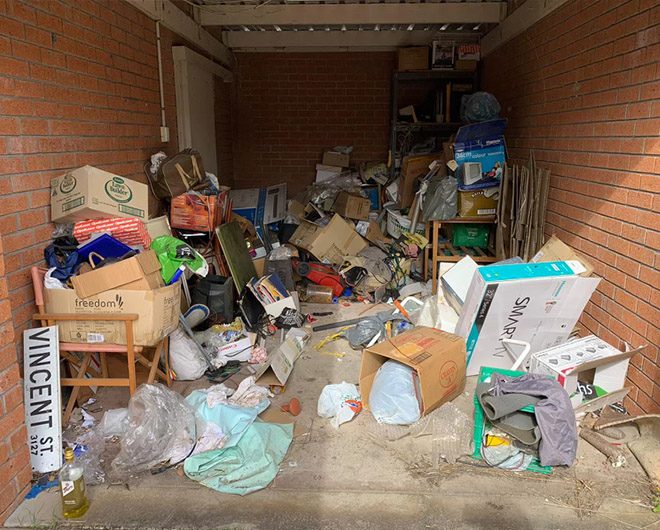
Professional Same Day Rubbish Removal can provide a practical solution when unwanted items need to be cleared within a limited timeframe. Sudden moving deadlines, rental property handovers, renovation work, urgent inspections, and unexpected waste build-up can leave little time for a gradual clean-up. Old furniture, broken appliances, boxes, household clutter, and other bulky materials may be difficult to manage through standard bins. A prompt collection can help clear important areas and allow cleaning, repairs, moving, or other scheduled work to continue.
When an Urgent Clearance May Be Necessary
Not every property clean-up can be planned weeks in advance. A tenant may leave unwanted belongings behind shortly before a new occupant arrives, or a renovation project may produce more waste than expected. In other cases, a moving date may change suddenly and create an immediate need to clear items.
Property sales can also involve tight schedules. A home may need to be prepared for photography, an inspection, or settlement, but accumulated clutter can prevent other work from starting. Removing unnecessary items quickly can help cleaners, tradespeople, and property professionals access the areas they need.
The key is to identify the scope of the clean-up as early as possible. Understanding what needs to go, where it is located, and how difficult it is to access can make an urgent collection easier to organise.
Prioritising Items During a Time-Sensitive Clean-Up
When time is limited, sorting should remain careful but efficient. Property owners can begin by separating items into clear groups for keeping, donating, recycling, selling, or disposal.
Belongings that will remain at the property should be moved away from the removal area where practical. Important documents, photographs, valuables, and personal items should be checked carefully before general clearing begins.
Starting with the largest unwanted objects can provide a clearer understanding of the available space. Once bulky furniture and appliances are identified, smaller items can be grouped more easily. This structured approach can prevent confusion when the collection needs to happen quickly.
Preparing for an Unexpected Move
Moving house can become stressful when deadlines change, or unwanted belongings are discovered during packing. Furniture that will not fit the new property, damaged household items, and boxes that have remained unopened for years can add unnecessary work.
An urgent pre-move clearance can reduce the number of items that need to be packed and transported. This can be particularly useful when downsizing to a smaller property with limited storage.
Even when time is short, belongings should be reviewed before removal. Items in good condition may still be suitable for donation or reuse, while recyclable materials can be separated where practical. Clear decisions can reduce the amount of unnecessary waste.
Supporting Rental Property Turnarounds
Rental properties often operate within fixed handover schedules. If furniture, mattresses, household goods, or general rubbish remain after a tenant leaves, the property may not be ready for cleaning and maintenance.
Prompt removal can allow other services to begin sooner. Once rooms are clear, property managers and owners can inspect floors, walls, fittings, and other areas that may have been hidden by clutter.
Garages, balconies, sheds, cupboards, and outdoor areas should also be checked. Discovering unwanted items in these locations at the last moment can delay the final stages of property preparation.
Clearing Waste During Renovation Work
Renovations can generate bulky materials quickly. Old fixtures, cabinets, damaged furniture, packaging, and other debris may occupy areas needed for ongoing work.
An urgent collection may be useful when accumulated material blocks access or needs to be removed before the next stage begins. Keeping work areas clearer can make it easier to move tools, deliver materials, and inspect completed sections.
However, renovation waste should always be identified accurately. Some building materials require specialist handling and should not be mixed with general rubbish. Hazardous or regulated substances need appropriate disposal arrangements.
Handling Bulky Objects With Care
Large objects can make a fast clean-up more complicated. Sofas, wardrobes, mattresses, tables, refrigerators, and washing machines may be difficult to move through narrow or restricted areas.
Before collection, access routes should be checked. Hallways, staircases, entrances, lifts, and driveways need enough room for objects to be moved safely. Smaller obstacles should be cleared from the route.
Apartment residents may also need to consider lift access, loading areas, and building management requirements. Mentioning these conditions when arranging the service can help reduce avoidable delays.
Providing Accurate Information Before Collection
Clear information is particularly important when arranging an urgent service. The type, quantity, size, and location of the items can all affect the work required.
Property owners should mention unusually heavy objects, stairs, restricted parking, narrow access points, or other practical challenges. A clear description of the waste can help determine whether the collection is suitable for the available timeframe.
Items that require specialist handling should also be identified. Chemicals, asbestos-containing materials, and other regulated substances should never be included with ordinary household or commercial rubbish.
Considering Reuse and Recycling Where Possible
A fast clearance does not mean every item needs to be treated as general waste. Furniture, appliances, office equipment, and household goods in usable condition may have potential for reuse or donation.
Metals, cardboard, and certain electronic products may also have appropriate recycling pathways. Separating these materials before collection can support better disposal decisions without unnecessarily delaying the clean-up.
The easiest approach is to identify reusable or recyclable items during the initial sorting stage. Once everything has been mixed together, separating different materials can become more difficult.
Unexpected waste can create significant delays when deadlines are approaching. By identifying unwanted items early, preparing access routes, separating important belongings, and arranging appropriate collection, property owners can respond to urgent clean-up requirements and move forward with the next stage of their plans.