Every modern home is designed to be an efficient fortress, sealed tight to keep out the elements and keep in your climate-controlled air. While this tight seal is fantastic for keeping your monthly utility bills predictable, it creates a unique challenge for the quality of your indoor environment. Without a natural, continuous exchange with the outdoor air, everything floating inside your home gets trapped and recirculated. Behind your walls and beneath your floors runs a complex network of air pathways that serves as the respiratory tract of your property, moving air to and from your furnace and air conditioner several times a day.
Because this internal network is entirely hidden from view, it is easy to forget that it requires regular care and attention. Over the years of daily living, these passages accumulate an astonishing volume of airborne particles, everyday dust, and allergens. Neglecting this hidden infrastructure does not just mean you will spend twice as much time wiping down your furniture; it can also strain your heating and cooling equipment, drive up your energy consumption, and impact your family’s daily comfort. Taking a proactive approach to maintaining these hidden air pathways is one of the smartest investments a property owner can make.
The Compounding Cycle of Indoor Airborne Pollution
We spend a significant amount of time cleaning the parts of our homes that we can see, scrubbing countertops, vacuuming carpets, and mopping floors. However, the areas out of sight often collect the highest concentration of debris. Every single day, ordinary household routines introduce millions of microscopic particles into the air. Activities like cooking, walking across area rugs, shaking out bedding, and playing with pets release skin cells, hair, fabric lint, pet dander, and outdoor pollen into your living spaces.
When your HVAC system kicks on, it pulls this floating debris directly into the return registers. While standard mesh filters catch the largest pieces of dust, an incredible amount of fine, microscopic material slips right past the barrier. Over months and years of continuous operation, this fine dust settles against the interior walls of your ductwork, forming a thick, furry layer of grime. Each time a new heating or cooling cycle starts, a powerful blast of air disrupts this settled layer, sending a wave of invisible particles right back into your breathing space. This continuous loop of re-contamination explains why a thin layer of gray dust can reappear on your shelves just hours after a deep clean.
The problem escalates when moisture finds its way into these dark, enclosed channels. Whether it stems from high seasonal humidity, a minor roof leak, or condensation forming naturally along your cooling coils, moisture creates an ideal breeding ground for biological contaminants. The accumulated dust provides a rich nutrient source for mold spores, mildew, and bacteria to establish thriving colonies. Once these organisms take root inside your ventilation system, they release invisible spores and persistent, musty odors directly into the moving air stream, contributing to chronic throat irritation, headaches, and overall respiratory discomfort for everyone inside the house.
Subtle Warning Signs That Your Ventilation System is Struggling
Because you cannot easily peer inside your home’s air channels without specialized technical equipment, it is vital to understand the subtle clues your property gives you when the system is under stress. Catching these red flags early allows you to intervene before minor inefficiencies turn into incredibly expensive mechanical failures.
A classic sign of a compromised air system is an inconsistent temperature profile across different rooms. If your kitchen or living room feels perfectly balanced, but an upstairs bedroom or home office remains chronically hot, stuffy, or completely stagnant, your system is likely facing an internal restriction. Heavy dust accumulation, a crushed segment of flexible ducting, or a completely disconnected joint can severely restrict airflow, preventing the conditioned air from reaching its final destination with the necessary velocity.
You should also keep a close eye on your monthly household energy bills. If you notice a steady, unexplained increase in your utility consumption, your HVAC system is likely fighting against internal grime. When dust blankets the delicate fins of your evaporator coils or builds up on the blades of your blower fan, it acts as an insulating blanket. This forces your equipment to work twice as hard, run much longer cycles, and consume significantly more electricity just to reach the target temperature on your thermostat. Additionally, if family members suffer from unexplained morning congestion, watery eyes, or a persistent cough that mysteriously clears up whenever they leave the house for a few days, your indoor air quality is almost certainly compromised.
The Advantages of Specialized Technical Care
While many enthusiastic homeowners enjoy tackling weekend DIY projects, deep system cleaning is a highly technical task that requires industrial-grade machinery and trained technical knowledge. Standard household vacuum cleaners and retail brushes simply do not possess the suction power or the physical reach required to clean a sprawling home network safely, and aggressive DIY attempts can easily puncture fragile flexible lines or damage sensitive internal sensors.
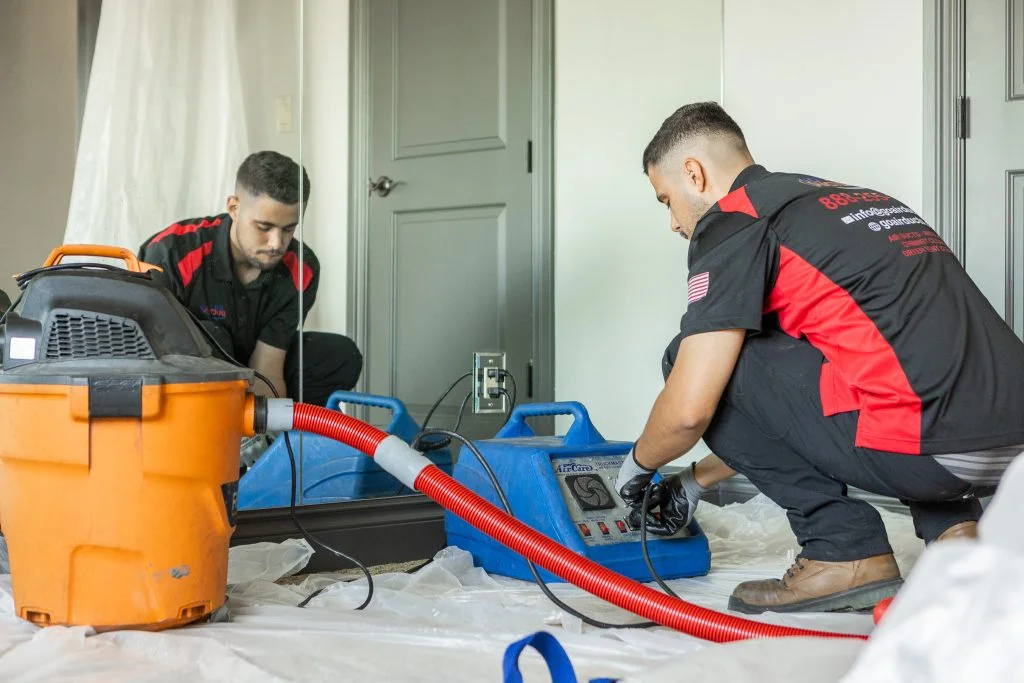
Entrusting this vital maintenance task to an experienced team ensures that the job is done right without releasing trapped pollutants back into your living areas. When you decide it is time to clear out years of accumulated dust and optimize the mechanical performance of your heating and cooling equipment, getting to know the philosophy and experience behind About us can give you complete confidence in the restoration process. Professional technicians utilize heavy-duty, truck-mounted vacuum systems that establish strong negative pressure throughout your entire system, pulling every speck of dislodged debris completely out of your home and into a sealed containment unit.
Furthermore, a professional technician acts as an inspector for your home’s hidden infrastructure. During the cleaning process, they can identify structural defects, such as unsealed junctions, cracked seams, or deteriorated insulation that could be letting expensive conditioned air leak straight into your attic or crawlspace. Repairing these flaws early saves you substantial money on utilities and prevents long-term structural wear.
What a Meticulous Cleaning Service Involves
A truly thorough, professional ventilation restoration is a highly systematic process that addresses every single component of your air delivery system. Real experts know that simply vacuuming out the registers is a superficial fix; instead, they treat the entire setup as one interconnected system.
The process begins with a meticulous initial inspection to map out the layout of your home and locate all supply and return vents. Once the system is safely under negative pressure, the technicians use specialized tools, including compressed air whips and flexible mechanical brushes, to scrub the inner surfaces of the conduits gently. This dislodges stubborn, caked-on dust, which is instantly sucked away by the vacuum power.
Proper service also involves cleaning the mechanical heart of your HVAC system. The team will carefully clean the blower motor, the housing, the dampeners, and the internal coils, removing the friction and strain that slows your system down. To complete the service, many homeowners choose to have an eco-friendly sanitizing agent applied to the interior walls, which neutralizes any remaining biological spores and leaves behind truly fresh, healthy air.
Reaping the Continuous Benefits of Clean Air
Investing in the cleanliness and structural integrity of your home’s air pathways provides immediate, tangible rewards that protect your family and your finances.
From a financial perspective, a clean system operates with maximum mechanical efficiency, running shorter cycles and lowering your monthly energy bills. This lack of resistance also minimizes the wear and tear on moving parts, significantly extending the operational lifespan of your expensive furnace and air conditioning units. Ultimately, the greatest reward is absolute peace of mind. Eliminating pounds of hidden dust, pollen, and allergens creates a healthier, more inviting home environment, letting you breathe easy every single day.