Cracks do not automatically rule out epoxy, but they must be understood before any coating goes down. Proper repairs can create a stable base, while untreated movement may cause the finished surface to split again. A lasting result depends on the crack type, slab condition, preparation method, and flooring system selected.
Which Concrete Cracks Can Be Repaired Before Coating?
Hairline shrinkage cracks are common in cured concrete and often remain stable after they form. These narrow openings can usually be cleaned, widened slightly if needed, and filled with a compatible repair material before epoxy flooring is applied. Surface preparation then blends the patched area into the surrounding slab so the coating can bond evenly.
Wider cracks require closer inspection because they may point to settlement, heavy impact, poor joint placement, or ongoing slab movement. An installer must determine whether the opening is dormant or still changing before recommending an epoxy garage floor. Covering an active crack without addressing its cause often leads to a visible line, split coating, or raised edge later.
Why the Cause of the Crack Matters
Concrete cracks for many reasons, and each cause affects the repair plan. Drying shrinkage usually creates fine, shallow lines, while structural movement can produce wider gaps, uneven edges, or cracks that continue through the full slab depth.
Warning signs that need added attention include:
- One side of the crack sitting higher than the other
- Gaps that widen or close during seasonal changes
- Water entering through the opening
- Several cracks spreading from the same area
- Damage near columns, walls, drains, or heavy equipment
These conditions may require concrete repair, moisture control, joint treatment, or structural evaluation before commercial epoxy flooring can begin. A coating can protect sound concrete, but it cannot stop a slab that continues to shift underneath it.
How Contractors Prepare Cracked Concrete for Epoxy
Mechanical grinding exposes clean concrete and removes weak material around the damaged area. Once the surface is open, technicians remove dust and loose debris so the repair compound can bond directly to the slab instead of attaching to contamination.
Specialized fillers vary according to crack width, depth, and expected movement. Rigid materials work well for stable cracks because they restore a solid surface that can be ground flush. Flexible products may suit joints or areas with limited movement, although they must remain compatible with the selected epoxy floors system.
What Happens During the Crack Repair Process?
A proper repair involves more than spreading filler across the top. Installers often open the crack with a grinder to remove fragile edges and create enough space for the repair material to penetrate.
Typical preparation steps may include:
- Cutting or routing the crack to a consistent shape
- Vacuuming concrete dust from the opening
- Checking for moisture or oil contamination
- Filling the void with the specified repair product
- Allowing enough time for curing
- Grinding the repair level with the surrounding floor
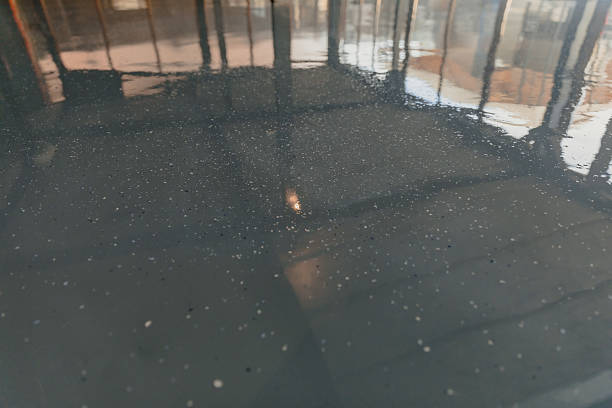
Careful finishing matters because raised patches can show through epoxy flooring, while low repairs may leave visible dips. Skilled epoxy floor companies inspect the surface from several angles and under strong lighting before applying primer.
Can Epoxy Hide Every Repaired Crack?
Opaque coatings can reduce the appearance of repaired lines, especially when decorative flakes or textured finishes cover the floor. However, epoxy does not guarantee that every patch will become completely invisible.
Color, coating thickness, repair size, and lighting all influence the final appearance. Metallic systems may highlight slight surface variations, while full-broadcast flake floors usually disguise repaired areas more effectively. Property owners searching for epoxy floors near me should ask to see examples of repaired slabs, not only photos of flawless new concrete.
Expansion Joints Need Different Treatment
Control joints and expansion joints are designed to manage concrete movement, so filling them with rigid epoxy may cause future cracking. Contractors often use flexible joint material or leave certain joints visible, depending on building conditions and system requirements.
Placing the correct product in these areas allows the slab to move without placing excessive stress on the surrounding coating. Anyone comparing epoxy flooring near me providers should ask how each company handles joints, since this detail has a direct effect on long-term performance.
Moisture Can Complicate Crack Repairs
Open cracks sometimes provide a path for vapor or water to rise through the slab. Trapped moisture can weaken filler, create bubbles, or push an epoxy coating away from the concrete.
Testing identifies whether moisture levels fall within the coating manufacturer’s limits. If readings run high, installers may recommend a vapor-control primer or another mitigation method before applying epoxy flooring. Searching for an epoxy garage floor near me should therefore include questions about moisture testing as well as crack repair.
The Right Coating System Makes a Difference
Residential garages, warehouses, workshops, and commercial spaces place different demands on a floor. Vehicle traffic, forklifts, chemicals, vibration, and temperature swings all affect which repair and coating products will perform best.
Elite Coastal Epoxy evaluates cracked slabs before installing residential, commercial, or industrial flooring systems. Its team can identify repairable damage, prepare the concrete, treat cracks and joints, and install an epoxy garage floor or commercial coating designed for the property’s actual use.