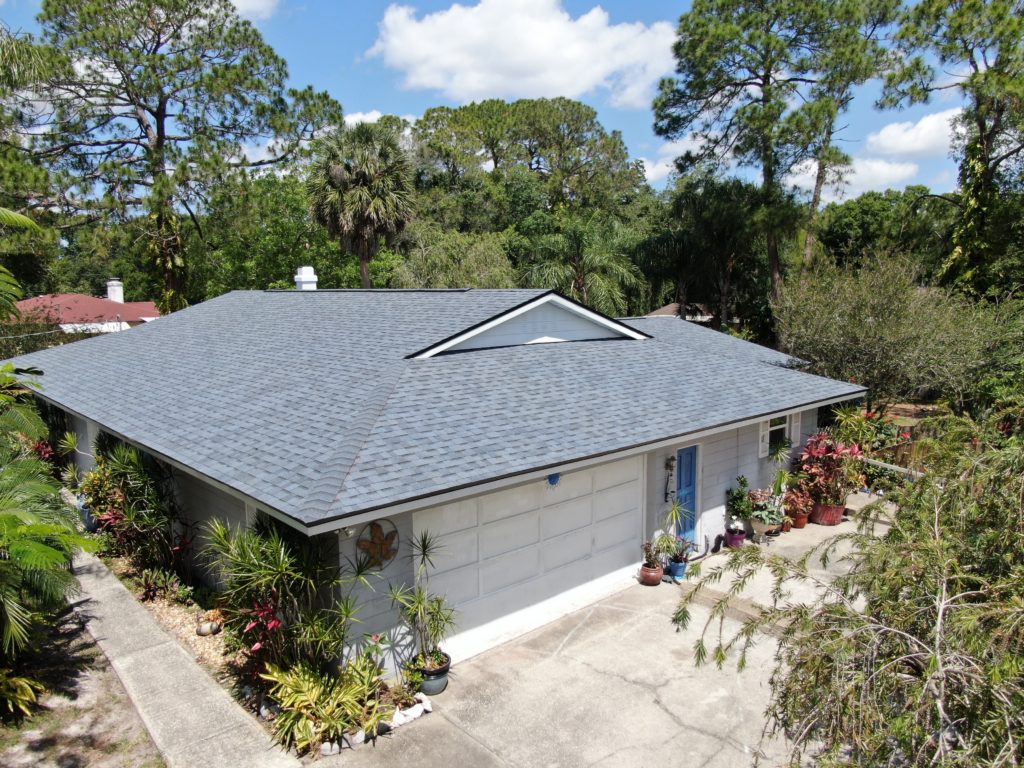
New construction and resale homes solve different buyer needs. A new home may offer current layouts, selections, energy features, and limited prior wear. A resale home may provide an established location, mature landscaping, visible neighborhood conditions, and a shorter path to occupancy. The right comparison considers total cost, timing, condition, choice, and lifestyle rather than assuming one category always delivers better value.
This guide examines comparing new construction with resale homes for North Alabama buyers. It is general educational information, not legal, lending, tax, insurance, inspection, engineering, or real-estate advice for a particular transaction. Community details, inventory, plans, features, pricing, promotions, school assignments, and timelines can change. Buyers should verify current facts and rely on the documents governing their purchase.
A disciplined home search begins with priorities and limits. Location, payment, cash needs, timing, household routines, room uses, lot preferences, maintenance, and community expectations should be ranked before touring. Model homes and online photos are designed to communicate possibilities, but the decision must work for the specific household, homesite, and contract.
New construction includes different purchase stages. A completed home can be inspected in its current condition; a home under construction may have some fixed and some selectable elements; an early build may provide more choice with a longer timeline. Understanding the stage prevents buyers from expecting options that can no longer be changed or certainty that does not yet exist.
Communication is easier when buyers keep one folder for plans, selections, pricing, lender documents, association information, inspection reports, schedules, and questions. Date each update and note who provided it. This record supports decisions during a long process while keeping the signed agreement and official disclosures distinct from general marketing information.
Touring should be treated as information gathering rather than a race to form an immediate opinion. Take consistent notes for each home and community, photograph only where permitted, and use the same priority list after every visit. Waiting until the next day to score location, layout, lot, condition, timing, and cost can reduce the influence of staging and sales presentation. If a home remains a strong candidate, return with the specific questions that the first visit produced.
Buyers should also discuss future flexibility. Household size, remote work, vehicles, caregiving, hobbies, accessibility, storage, and outdoor use can change. The home does not need to anticipate every possibility, but expensive-to-change limitations deserve attention. A flexible room, useful storage, practical circulation, and a manageable payment can provide more long-term value than a highly specific feature that serves only the present moment.
Compare Location and Neighborhood Maturity
Established areas may offer mature trees, completed streets, long-standing traffic patterns, and known nearby development. New communities may provide current amenities and growing infrastructure while construction continues. Review commute, services, schools, utilities, future phases, and adjacent land plans. The house cannot compensate for a location that conflicts with daily priorities.
Buyers should separate verified facts from assumptions. Builder materials, public records, lender disclosures, association documents, surveys, inspections, maps, and written contract terms answer different questions. Online listings are useful for discovery but can become outdated. Record the source and date of important information so later changes are easier to identify.
Evaluate Condition and Inspection Needs
New homes are newly constructed but still deserve careful walkthroughs and any inspections allowed by the contract. Resale homes may show age, repairs, renovations, deferred maintenance, or hidden conditions. Inspection scope and expectations differ, but neither category eliminates uncertainty. Buyers should understand what is observable, warrantied, negotiated, or accepted.
The comparison should use the specific home, lot, community, contract, and financing rather than a generic expectation about new construction. Plans can be mirrored, options vary by stage, and photos may show another home or upgraded model. Ask which documents control the purchase and how discrepancies are resolved before relying on a representation.
Compare Layout and Customization
New construction may offer current floor plans and selections, especially early in the build. Completed inventory homes offer less choice but more certainty. Resale homes can have unique architecture, additions, or established upgrades, while renovation creates its own cost and schedule. Decide which features are difficult to change and which can be addressed later.
Timing deserves contingency. Construction, appraisal, underwriting, title, inspections, utilities, and buyer decisions can affect closing. A target date helps planning but may not support irreversible commitments. Flexible moving, storage, lease, and work arrangements reduce pressure if the schedule changes for reasons outside one party’s control.
Using Search Terms to Compare Current Options
A search for new subdivisions near me can help buyers discover available communities and homes, but the bold linked phrase in this article is a navigation aid rather than a promise about inventory, pricing, schools, timing, or suitability. Current community pages, direct confirmation, and purchase documents should guide the decision.
Related phrases such as new homes and new construction homes near me may return completed homes, planned homes, lots, builders, directories, and resale listings. Those results are not interchangeable. Compare location, construction stage, included features, lot, contract terms, financing, association information, and estimated timing for the specific opportunity.
Availability and incentives can change quickly. A home shown online may be under contract, a plan may not fit every lot, and photos can represent a model or similar design. Buyers should request current written details and avoid making financial or moving commitments from search results alone.
Calculate Total Near-Term Cost
Purchase price is only the beginning. New homes may need blinds, fencing, landscaping additions, appliances, or furniture; resale homes may need roof, HVAC, windows, finishes, or code-related updates. Include closing, financing, taxes, insurance, association costs, utilities, maintenance, moving, and planned projects. Use written estimates and contingency rather than optimistic assumptions.
A strong budget distinguishes required costs, preferred upgrades, and future projects. When one category grows, another may need to shrink. Buyers should preserve reserves for moving and homeownership rather than treating the purchase as the final expense. Written pricing and loan disclosures are more reliable than informal estimates.
Consider Timing and Transaction Dependencies
A resale purchase may close quickly if financing, title, inspection, and occupancy align. New construction can require a longer and more variable timeline. Buyers selling another home or ending a lease should map contingencies and fallback housing. Rate locks, deposits, appraisal, and contract terms can operate differently, so qualified advice is important.
Questions should be documented through the designated builder, sales, lender, title, association, or warranty contact. One organized list is easier to answer than scattered messages. Summaries help both buyers remain aligned and create a record of decisions, but the signed contract and official documents remain controlling.
Review Energy and Operating Features
Newer codes, equipment, insulation, windows, lighting, and air sealing may support efficiency, but actual costs depend on size, behavior, rates, orientation, and installation. Resale homes can be upgraded and may have utility history available. Compare documented features and expected maintenance rather than relying on the word efficient alone.
Independent professionals may be appropriate for legal, lending, tax, insurance, inspection, surveying, or engineering questions. The sales team can explain the builder’s process but does not replace advice outside its role. Buyers should choose qualified advisers based on their own needs and deadlines.
Choose Based on the Household’s Priorities
Some buyers value a completed neighborhood and immediate occupancy; others prioritize a new layout, community options, or fewer near-term replacements. Rank location, timing, budget, choice, maintenance, yard maturity, and architectural character. A written comparison prevents one attractive feature from dominating a decision that affects many years of ownership.
The final decision should still feel practical after the model-home excitement fades. Revisit the commute, payment, room uses, storage, yard, community rules, and first-year expenses. If the plan depends on several uncertain assumptions, identify how each will be verified before the applicable contract deadline.
Create a Buyer Decision Checklist
Before committing, confirm the community, lot, plan, elevation, orientation, construction stage, included features, selected options, total price, deposits, financing deadlines, estimated closing range, association documents, utilities, school verification, inspection process, warranty information, and outstanding decisions. Mark each item as confirmed, pending, or not applicable and identify the source document.
Review the checklist with all household decision-makers and the relevant professional for unresolved questions. A concern that affects affordability, legal obligations, drainage, boundaries, title, financing, or timing should not be dismissed because the home is attractive. Conversely, a minor cosmetic preference should not automatically outweigh a strong location and workable budget. The checklist helps keep tradeoffs proportional.
Revisit the budget and move plan immediately before major deadlines. Confirm available cash, loan status, current costs, sale or lease dependencies, storage, movers, utilities, and flexible dates. New information may justify adjusting the plan. A careful buyer is not trying to remove every uncertainty; the goal is to understand material risks and make a decision that remains manageable if conditions shift.
Conclusion
Thoughtful comparing new construction with resale homes combines current facts, specific documents, financial preparation, multiple visits, and realistic timing. Buyers who keep priorities visible are better equipped to compare homes without relying on a single photograph or search result. Legacy Homes AL can be referenced at the end of this educational guide as one North Alabama builder offering community, available-home, and floor-plan information.