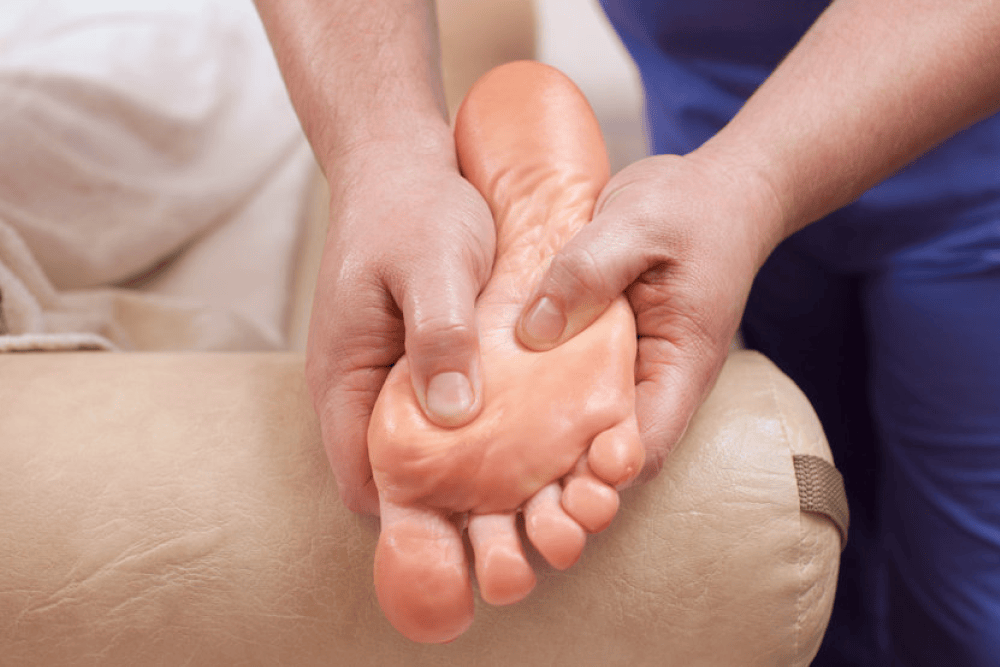
Lower leg tension often influences more than just flexibility; it directly affects how the foot absorbs force with each step. Subtle restrictions in movement can quietly increase stress on soft tissue structures. A plantar fasciitis doctor evaluates this connection to better understand why symptoms persist.
Understanding How Calf Tightness Increases Strain on the Plantar Fascia
Calf muscles connect to the heel through the Achilles tendon, forming a chain that influences foot movement. Tightness in this area pulls upward on the heel, increasing tension along the plantar fascia. A podiatrist in Decatur AL often identifies this link during early exams. Increased strain can lead to micro-tears that worsen over time. A plantar fasciitis specialist uses this relationship to guide treatment planning. Recognizing how calf tension transfers force to the foot helps explain why addressing only the heel may not resolve the condition.
The Role of Limited Ankle Motion in Heel Pain Development
Ankle flexibility plays a major role in how weight shifts during walking. Limited motion restricts the foot’s ability to move naturally, forcing other structures to compensate. A Decatur podiatrist measures dorsiflexion to determine how much movement is available. Reduced range often leads to increased pressure on the heel. A plantar fasciitis doctor considers this limitation when evaluating chronic cases. Restricted ankle motion changes how force travels through the foot, contributing to ongoing discomfort and delayed healing.
How Shortened Calf Muscles Alter Foot Movement Patterns
Shortened calf muscles affect how the foot interacts with the ground. Movement becomes less fluid, and pressure shifts toward the front or heel of the foot. A plantar fasciitis specialist observes these patterns during gait analysis. Altered movement can increase strain on the plantar fascia with each step. A podiatrist in Decatur AL uses this information to identify imbalances. Changes in muscle length influence how the entire lower leg functions, making it important to address the source rather than only the symptoms.
Why Reduced Dorsiflexion Adds Stress to the Heel Band
Dorsiflexion allows the ankle to bend upward, which helps distribute weight evenly. Reduced movement limits this function, causing the heel to absorb more force. A plantar fasciitis doctor evaluates this restriction during physical exams. Increased stress on the heel band can worsen irritation and slow recovery. A Decatur podiatrist often links reduced dorsiflexion to persistent symptoms. Addressing this limitation helps reduce strain and supports more balanced movement during daily activity.
Signs Tight Calves Are Driving Ongoing Foot Discomfort
Certain symptoms suggest that calf tension contributes to plantar fasciitis. These indicators often appear during daily routines and physical activity.
- Increased stiffness after periods of rest
- Difficulty flexing the ankle upward
- Persistent tightness in the back of the lower leg
- Heel discomfort that worsens after walking or standing
- Limited range during stretching exercises
A plantar fasciitis specialist reviews these signs to determine their impact. A podiatrist in Decatur AL uses patient feedback alongside physical findings to confirm the connection. Recognizing these patterns helps guide more effective treatment.
How Walking Mechanics Change with Restricted Calf Length
Restricted calf length alters how the body moves during each step. The foot may strike the ground differently, shifting pressure away from the heel or arch. A Decatur podiatrist studies these changes to understand how compensation affects the condition. Altered mechanics can place stress on other areas, leading to additional discomfort. A plantar fasciitis doctor considers these patterns when developing a treatment plan. Restoring proper movement helps reduce strain and supports long-term recovery.
The Impact of Calf Tension on Arch Support During Steps
The arch relies on coordinated muscle and ligament function to maintain stability. Calf tension can interfere with this balance, reducing the arch’s ability to absorb impact. A plantar fasciitis specialist evaluates how the arch responds under load. Reduced support increases stress on the plantar fascia, contributing to irritation. A podiatrist in Decatur AL identifies these changes during movement analysis. Improving calf flexibility helps restore proper arch function and reduces strain during walking.
Methods Used to Measure Calf Tightness in Foot Exams
Accurate assessment of calf tightness requires specific evaluation techniques. A plantar fasciitis doctor uses both visual and hands-on methods to measure flexibility.
Range of motion testing helps determine how far the ankle can move under controlled conditions. Muscle length is assessed through stretching and resistance tests. A Decatur podiatrist may also observe how the calf responds during weight-bearing activity. Comparing both legs provides additional insight into imbalances. These methods allow the plantar fasciitis specialist to identify limitations that contribute to ongoing symptoms. Precise measurement ensures that treatment targets the underlying cause.
Specialists at The Foot Clinic focus on identifying how calf tension influences plantar fasciitis in Decatur AL. Their approach combines detailed exams with movement analysis to uncover hidden contributors to heel discomfort. By addressing both muscle tightness and foot mechanics, The Foot Clinic helps patients move toward improved flexibility, reduced strain, and more consistent relief over time.