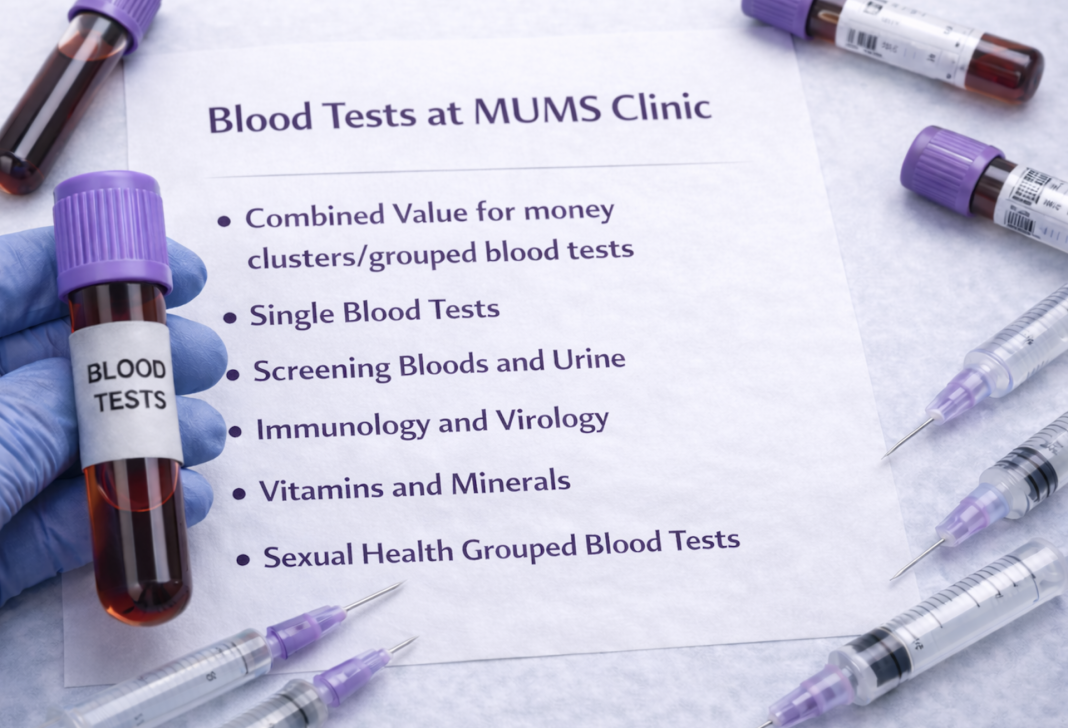
Private blood tests Solihull services offer access to a wide range of diagnostic tests for adults and children. Blood tests are one of the most commonly used medical investigations, helping healthcare professionals assess overall health, investigate symptoms, monitor ongoing conditions, and identify potential health concerns at an early stage. Many private clinics offer appointments without the need for a GP referral, with a broad selection of individual tests and health profiles available.
What Are Blood Tests?
A blood test involves collecting a small sample of blood, usually from a vein in the arm, which is then analysed in a laboratory. The sample can provide information about how different organs and systems within the body are functioning.
Blood tests measure a variety of markers, including blood cells, hormones, vitamins, minerals, enzymes, proteins and chemicals. The results can help identify abnormalities that may require further investigation or monitoring.
Healthcare professionals interpret blood test results alongside symptoms, medical history and, where necessary, additional diagnostic investigations.
Reasons People Have Blood Tests
Blood tests are used for many different purposes, from investigating symptoms to monitoring long-term health conditions.
Common reasons include:
- Investigating ongoing tiredness or fatigue
- Assessing vitamin and mineral levels
- Monitoring cholesterol
- Checking blood sugar levels
- Evaluating thyroid function
- Assessing kidney and liver health
- Investigating possible infections
- Monitoring medication
- Supporting routine health screening
Private blood tests Solihull clinics often provide both individual blood tests and comprehensive health screening profiles depending on the information required.
Common Blood Tests Available
There are hundreds of different blood tests available, each designed to assess a specific aspect of health.
Full Blood Count (FBC)
A Full Blood Count measures red blood cells, white blood cells, haemoglobin and platelets. It is commonly used to investigate anaemia, infection and a variety of other medical conditions.
Cholesterol Tests
Lipid profile testing measures cholesterol and triglyceride levels, helping assess cardiovascular health and identify potential risk factors.
Liver Function Tests
These blood tests measure enzymes and proteins that indicate how effectively the liver is functioning.
Kidney Function Tests
Kidney blood tests assess markers such as creatinine and urea to determine how well the kidneys filter waste products from the bloodstream.
Thyroid Function Tests
Thyroid hormone testing helps investigate symptoms such as tiredness, weight changes, temperature sensitivity and changes in heart rate.
Vitamin and Mineral Testing
Blood tests can identify deficiencies in nutrients including:
- Vitamin D
- Vitamin B12
- Folate
- Ferritin
- Iron
These deficiencies may contribute to symptoms such as fatigue, weakness and poor concentration.
Hormone Blood Tests
Hormone testing measures chemicals produced by the body’s endocrine system.
Common hormone blood tests include:
- Testosterone
- Oestrogen
- Progesterone
- Cortisol
- Follicle Stimulating Hormone (FSH)
- Luteinising Hormone (LH)
- Prolactin
Hormone blood tests are frequently used when investigating fertility, menopause, menstrual irregularities or other hormonal changes.
Health Screening Blood Tests
Many people choose blood testing as part of a routine health assessment.
Health screening blood tests often combine several investigations into one profile, providing information about multiple aspects of health, including:
- Heart health
- Diabetes risk
- Thyroid function
- Kidney function
- Liver function
- Vitamin status
- Inflammatory markers
Comprehensive screening panels can offer a broader overview than a single blood test alone.
Preparing for a Blood Test
Preparation depends on the specific blood test being performed.
Some tests require fasting beforehand, while others can be carried out without any special preparation. Patients are usually advised to:
- Drink plenty of water before the appointment
- Wear clothing that allows easy access to the arm
- Inform the clinician about any medications or supplements being taken
- Follow any fasting instructions provided
Following the recommended preparation helps improve the accuracy of the results.
What Happens During the Appointment?
A blood test is generally a straightforward procedure that takes only a few minutes.
After cleaning the skin, a healthcare professional inserts a small needle into a vein, usually in the arm, and collects one or more blood samples. Once enough blood has been taken, the needle is removed and a dressing is applied.
Most people experience only minor discomfort, and normal activities can usually be resumed immediately afterwards.
Understanding Blood Test Results
Blood test reports compare results against established reference ranges. Results outside these ranges do not always indicate illness, as age, sex, medication, lifestyle and medical history can all influence blood markers.
Healthcare professionals assess blood test results alongside a person’s symptoms and overall clinical picture before deciding whether further investigations or treatment may be appropriate.
Some private testing services also offer follow-up consultations to discuss the results where required.
When Private Blood Tests May Be Suitable
Private blood tests Solihull services may be considered by people who wish to access testing promptly, monitor existing health conditions, investigate ongoing symptoms or gain a better understanding of their general health.
Blood testing remains one of the most valuable diagnostic tools available in modern medicine. By analysing a wide range of biomarkers, healthcare professionals can obtain important information about many aspects of health, helping to guide further assessment, monitoring and clinical decision-making