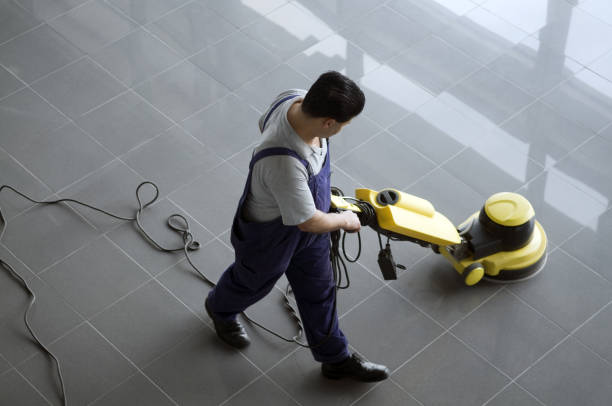
Honestly, people don’t usually connect safety with cleaning right away, but after spending some time writing and talking with facility managers, I kinda realized how big the link actually is. When businesses invest in Industrial Warehouse Cleaning Services, they’re not just making things look neat for inspections or visitors — they’re quietly reducing risks that workers deal with every single shift. And warehouses, let’s be real, are chaos on a good day. Forklifts zooming around, pallets stacked like a game of risky Jenga, dust settling everywhere… it only takes one slippery patch or hidden debris to turn a normal workday into an accident report.
Why Messy Workspaces Cost More Than People Think
A lot of companies still treat cleaning like an afterthought expense. Something you cut when budgets feel tight. But that thinking reminds me of people who skip servicing their car to save money and then end up paying double when the engine fails. Same energy. Small neglect grows into expensive problems.
I once spoke with a warehouse supervisor who joked that dust was basically their unofficial employee. It showed up daily, never clocked out, and caused problems constantly. Fine dust buildup doesn’t just look bad; it reduces visibility, clogs equipment, and even makes floors more slippery than people expect. According to some safety discussions floating around LinkedIn lately, minor slips and trips are still among the most reported workplace incidents in industrial environments, yet they’re also the most preventable.
And yeah, social media warehouse communities talk about this more than you’d think. You’ll see workers posting videos complaining about oily floors or cluttered aisles, and the comments are full of people saying, This is exactly how accidents happen. That crowd wisdom isn’t wrong.
Cleaning and Safety Are Basically Financial Planning
Here’s a weird comparison, but cleaning schedules work a lot like saving money. When you invest small amounts consistently, problems don’t pile up. Skip it for months, and suddenly you’re dealing with a giant mess — literally and financially.
Workplace injuries don’t just hurt employees, they hit companies hard too. Insurance claims rise, productivity drops, and morale kinda tanks. Nobody wants to work somewhere that feels unsafe. Even psychologically, a clean environment makes people more alert. There’s this subtle mindset shift where organized spaces make workers move more carefully and confidently. Messy areas almost invite careless movement because everything already feels chaotic.
I’ve noticed managers sometimes underestimate how much visual clarity matters. Clear walkways and clean floors help forklift operators judge distance better. That sounds small, but in a busy warehouse, inches matter more than people realize.
The Hidden Dirt Nobody Talks About
One thing that surprised me when researching industrial environments is how much grime you don’t actually see. Grease mist from machinery settles slowly over time. Packaging debris hides under racks. Tiny metal shavings can collect near production zones. These aren’t obvious hazards until someone slips or equipment starts malfunctioning.
There’s also air quality, which honestly doesn’t get enough attention. Dust particles floating around warehouses can affect breathing and long-term health. Workers sometimes normalize coughing or irritation because it happens gradually. Regular deep cleaning reduces airborne particles, which indirectly reduces fatigue. Less fatigue equals fewer mistakes. And fewer mistakes usually means fewer accidents.
Kind of funny how something as boring as cleaning can influence human behavior so much, but it does.
People Work Differently in Clean Spaces
I remember visiting a mid-sized logistics facility a while back. The difference between their old setup and post-cleaning overhaul was wild. Before, tools were scattered, floors stained, and everyone moved cautiously like they expected something to go wrong. After implementing structured cleaning routines, workers moved faster but somehow safer. It felt less stressful just walking through.
There’s actually a psychological effect called environmental signaling — basically, people treat spaces based on how those spaces look. Clean environments signal order and accountability. Messy ones signal nobody really cares. And humans naturally adjust behavior to match that vibe.
Even online forums for warehouse employees mention this a lot. Workers often say management talks about safety policies endlessly, but visible cleanliness makes them believe safety is actually taken seriously.
Equipment Lasts Longer Too (Which Finance Teams Love)
Here’s where the finance angle sneaks in again. Dirt and debris are brutal on machines. Conveyor belts jam faster, wheels wear unevenly, and sensors malfunction when dust builds up. Maintenance costs quietly increase, and companies sometimes blame equipment quality instead of environmental conditions.
Think of it like using your phone without ever cleaning the charging port. Eventually it stops working right, not because the phone is bad, but because dust took over.
Regular industrial cleaning protects machinery investments. That means fewer breakdowns, less downtime, and honestly fewer stressful emergency repairs at the worst possible times.
Safety Culture Isn’t Just Training Videos
Most workplaces rely heavily on safety training sessions, posters, and meetings. Those help, sure. But if employees walk back onto dirty floors right after a safety lecture, the message kinda loses power. Actions beat instructions every time.
Cleanliness becomes a silent form of communication. It tells workers that their environment is monitored and cared for. And when people feel cared for, they tend to care more about following procedures themselves. It’s a loop that feeds itself.
By the time companies realize how much accidents cost emotionally and financially, they usually wish they’d acted sooner. That’s why more operations are turning toward consistent professional cleaning rather than occasional deep cleans when things already look bad.
Toward the end of the day, safety improvements don’t always come from high-tech solutions or expensive upgrades. Sometimes they come from practical steps that seem almost too simple to matter. Investing in Industrial Warehouse Cleaning Services helps remove hazards before they even get noticed, which honestly feels like the smartest kind of prevention. Less drama, fewer injuries, smoother operations — and workers go home without stories about near misses. And if you ask me, that’s probably the real goal nobody argues with.