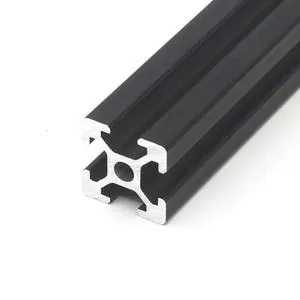
Strong structural connections depend on more than just tightening bolts. Proper tension across joints ensures stability, alignment, and long-term durability within any frame built from extruded aluminum T slot systems. Understanding how each step contributes to a secure connection helps prevent shifting, loosening, and uneven load distribution.
Clean and Square Cutting of Profile Ends
Accurate cuts form the foundation of a reliable joint. Profile ends must meet cleanly without gaps so the connection distributes force evenly across the contact surfaces. Uneven or angled cuts can introduce stress points that weaken the structure over time. Careful preparation begins with using proper cutting tools designed for aluminum framing material. Clean edges allow components in a T slot aluminum extrusion system to sit flush against each other. Builders working with MiniTec Aluminum Framing often rely on precise cuts to maintain structural accuracy during assembly.
Initial Assembly with Hand-Tightening for Alignment
Early assembly should focus on positioning rather than force. Hand-tightening fasteners allows parts to remain adjustable while the frame takes shape. This step ensures components align correctly before full tension is applied.
Loose connections make it easier to shift profiles into proper position without resistance. Assemblies built from a T slot extrusion system benefit from this flexibility during setup. Installers using an aluminum framing kit often rely on this stage to confirm layout before tightening.
Verifying Squareness and Alignment Before Final Torque
Correct alignment prevents long-term structural issues. Squareness checks confirm that joints meet at the intended angles and that the frame remains balanced. Misalignment at this stage can lead to uneven load distribution once the structure is in use. Measurement tools such as squares and levels help verify positioning across the assembly. Frames built with MiniTec extruded aluminum framing systems depend on precise alignment for consistent performance. Ensuring everything sits correctly before applying torque reduces the need for later adjustments.
Application of Recommended Locking Torque (e.g., 12 Nm for M8)
Proper torque ensures fasteners hold components securely without damaging the material. Applying too little force may allow joints to loosen, while excessive torque can strip threads or deform the profile core.
Manufacturers often provide torque guidelines based on fastener size and material specifications. For example, M8 fasteners may require around 12 Nm to achieve proper tension. Builders working with extruded aluminum T slot systems rely on these recommendations to maintain consistent joint strength.
Use of Torque Wrenches to Ensure Consistent Tension
Manual tightening without measurement can lead to uneven results across multiple joints. Torque wrenches provide a controlled method for applying the exact amount of force required. This tool helps ensure that each connection meets the same standard.
Consistent tension across all joints improves the stability of the entire structure. Frames constructed with T slot aluminum extrusion systems benefit from uniform fastening. Professionals assembling aluminum framing material often use torque wrenches to maintain repeatable results.
Proper Seating of T-Nuts within the Profile Groove
T-nuts play a key role in connecting components within a T slot system. These fasteners must sit fully inside the groove to engage properly with the profile. Incorrect placement can cause weak connections or uneven tension.
Correct positioning allows the T-nut to rotate and lock securely when tightened. Installers working with a T slot extrusion system ensure the nut aligns with the slot before applying torque. Proper seating helps the connection hold firmly under load.
Eliminating Play by Fully Compressing Connection Elements
Loose joints often result from incomplete compression between connected parts. Fully tightening the fasteners removes any movement between profiles, creating a rigid structure. Eliminating play helps prevent vibration and long-term wear.
Compression ensures that contact surfaces remain firmly pressed together. Frames built from an aluminum framing kit require solid connections to maintain stability. Proper tension across MiniTec Aluminum Framing systems reduces the chance of shifting during use.
Checking Fastener Engagement Depth in Profile Core
Fasteners must engage deeply enough within the profile to provide secure holding strength. Shallow engagement can weaken the connection and increase the risk of failure under load. Proper depth ensures that threads fully support the applied force. Inspection during assembly helps confirm that bolts extend far enough into the profile core. Builders using MiniTec extruded aluminum framing systems often verify thread engagement before final tightening. Adequate depth strengthens the joint and improves overall durability.
Minitec Solutions offers modular aluminum framing material designed for strength, accuracy, and efficient assembly. Their systems support builders working with extruded aluminum T slot structures that require dependable and repeatable connections. Consistent performance comes from combining quality components with proper tensioning methods. Projects using T slot aluminum extrusion benefit from stable joints that hold alignment under load