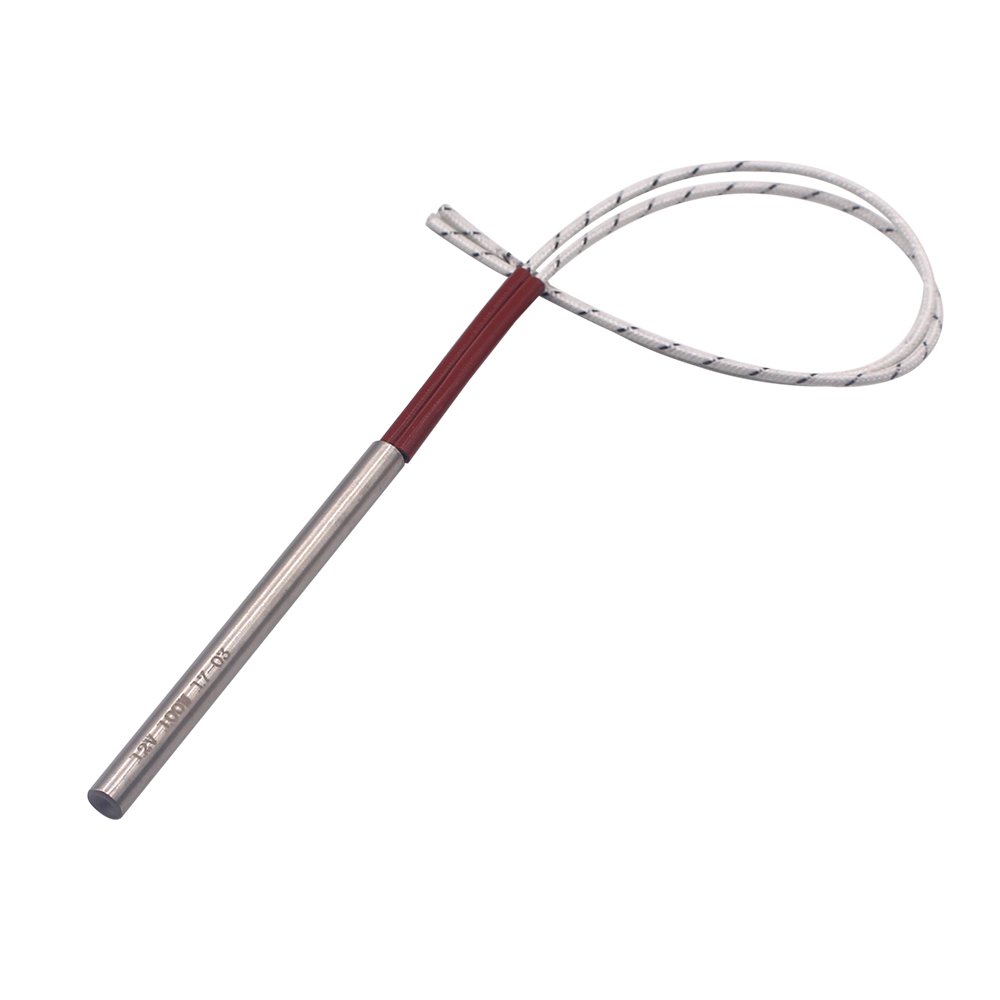
Consistent heat output begins long before a heating element reaches the production floor. Careful manufacturers inspect raw materials, verify electrical values, control assembly steps, and test finished units against the original specification. Strong quality controls help cartridge heaters and other industrial heating products perform predictably under repeated thermal stress.
Material Checks Begin Before Production Starts
Raw materials influence heater life, electrical safety, and temperature stability. Reputable manufacturers verify sheath alloys, resistance wire, ceramic insulation, terminal pins, lead insulation, and sealing compounds before those materials enter production. Incoming inspections may confirm dimensions, composition, temperature ratings, surface condition, and supplier documentation.
Traceability also matters when several material batches move through the facility at once. Lot records allow a manufacturer to connect a finished heater with the wire, sheath, insulation, and leads used during assembly. That history becomes useful during troubleshooting because engineers can determine whether a performance issue affects one unit, one batch, or a broader material supply.
Dimensional Inspection Protects Fit and Heat Transfer
Precise dimensions are especially important for cartridge heaters installed inside drilled bores. A heater that is too small may leave an air gap that restricts heat transfer, while an oversized unit can become damaged during installation or removal. Inspectors measure diameter, length, straightness, lead position, and unheated sections with calibrated tools.
Tolerances often become tighter for custom industrial heaters built around existing equipment. Production teams may compare each component with engineering drawings, approved samples, or digital inspection data. Accurate geometry helps the element sit correctly, distribute heat more evenly, and avoid contact with nearby machine parts.
Resistance Testing Confirms the Intended Wattage
Electrical resistance determines how much power a heater produces at a given voltage. Technicians measure resistance before shipment and compare the result with the approved design range. A reading outside tolerance may indicate incorrect resistance wire length, poor internal connections, or an assembly error.
Wattage calculations provide another check on expected performance. Engineers use the measured resistance and rated voltage to confirm that the unit will deliver the required output without exceeding safe limits. Industrial heating accessories connected to the heater, including leads and terminals, must also support the resulting current.
Insulation Tests Reveal Hidden Electrical Weaknesses
Internal insulation separates energized resistance wire from the metal sheath. Damage, contamination, or moisture inside that insulation can allow current to leak toward grounded surfaces, creating a shock risk or causing protective devices to trip.
Common electrical safety checks include:
- Insulation resistance testing to identify unwanted current paths
- Dielectric testing to verify separation under elevated voltage
- Leakage current measurement under defined test conditions
- Ground continuity testing on grounded assemblies
- Polarity and connection checks for multi-circuit designs
Documented limits help inspectors decide whether a unit passes, requires rework, or must be rejected. Reliable industrial heaters USA suppliers should apply consistent acceptance criteria rather than relying on appearance alone.
Compaction and Swaging Improve Internal Heat Movement
Compaction presses insulation tightly around the resistance coil and against the inner surface of the sheath. Higher material density improves heat transfer, supports the coil, and reduces internal movement during vibration or thermal cycling. Uneven compaction can create hot spots that weaken the element over time.
Swaging reduces the heater to its final diameter while increasing internal density. Operators must control machine settings, reduction rates, and straightness throughout this process. Excessive force may damage the resistance wire, while insufficient compression can leave loose insulation and unstable electrical behavior.
Lead Connections Receive Mechanical and Electrical Review
Lead failures often begin where flexible wire meets the internal terminal. Inspectors check these joints for secure attachment, proper insulation coverage, suitable strain relief, and correct exit orientation. Pull testing may be used to confirm that ordinary handling will not loosen the connection.
Environmental requirements shape the final termination design. Moisture-resistant seals, stainless-steel braid, flexible conduit, right-angle fittings, and high-temperature wire protect industrial heating accessories from abrasion, chemicals, vibration, and nearby heat. Each added feature must be inspected because a strong heater can still fail if its connection system is poorly assembled.
Process Controls Keep One Batch Consistent With the Next
Written procedures reduce variation between operators, shifts, and production runs. Work instructions may define coil winding tension, insulation fill amounts, swaging settings, seal curing times, welding parameters, and inspection points. Calibrated equipment ensures that measurements remain dependable.
Statistical review can reveal gradual changes before they produce failed parts. Resistance trends, dimensional readings, rejection reasons, and test results may show that a tool is wearing or a process is drifting. Corrective action taken early protects both standard items and custom orders from repeat defects.
Final Inspection Confirms the Heater Matches the Order
Completed units should be checked against purchase details and engineering records before packaging. Inspectors verify voltage, wattage, dimensions, lead length, sheath material, terminal style, quantity, identification markings, and any special construction notes.
Packaging also protects quality after testing ends. Caps, sleeves, dividers, and moisture-resistant materials prevent bent leads, scratched sheaths, or contaminated insulation during shipping and storage. Clear labels reduce the chance that similar-looking industrial heating products are installed in the wrong machine.
Documentation Makes Quality Easier to Verify
Inspection records give buyers more than a simple pass or fail result. Depending on the application, documentation may include resistance readings, insulation values, dimensional reports, material certifications, test dates, serial numbers, and calibration references. Regulated or high-risk processes may require additional traceability and approval steps.
Thermal Corporation manufactures cartridge heaters and related industrial heating accessories for equipment with specific electrical, dimensional, material, and termination requirements. Its support for custom industrial heaters gives engineers access to an industrial heating elements manufacturer that can align heater construction and quality checks with the conditions found in real production systems.