When a reefer container goes down, operators want one answer above all others: how long until it’s back in service? Understanding what happens at each stage of professional reefer container repair services in Singapore — from diagnosis through parts sourcing to final delivery — helps set realistic expectations instead of guessing.
Stage One: Diagnosis
Every repair starts with confirming the actual fault. A technician checks compressor pressures and amperage draw, runs a control board diagnostic, and inspects for physical damage like gasket wear or refrigerant leaks. Straightforward faults are usually confirmed within a few hours, though intermittent electrical issues can take longer to reproduce reliably.
Stage Two: Parts Sourcing
Once the fault is confirmed, the timeline depends heavily on parts availability. Commonly needed genuine reefer machinery parts — gaskets, sensors, contactors — are often held in local stock and fitted within a day or two. Less common components, particularly major parts for less common unit brands, may need to be ordered in, extending the timeline by a week or more.
Stage Three: Repair and Testing
With the correct part in hand, the physical repair itself is often the fastest stage — a compressor swap or control board replacement typically takes a few hours for an experienced technician. What takes longer, and shouldn’t be skipped, is thorough post-repair testing: running a full cooling cycle and confirming temperature holds steady under load before the container returns to service.
Stage Four: Delivery and Documentation
Once testing confirms the fault is resolved, the container is prepared for handover along with a written service report detailing findings, parts replaced, and any recommendations for future maintenance. This documentation matters for warranty tracking and for building a service history useful in future preventive maintenance planning.
A Realistic Timeline
For a typical compressor fault involving a stocked part, a realistic end-to-end timeline runs roughly: same-day diagnosis, one to two days for parts sourcing, and half a day for repair and testing — often returning a container to service within three to four working days. More complex faults, or parts sourced from overseas, can extend this to one to two weeks.
Reducing Future Repair Frequency
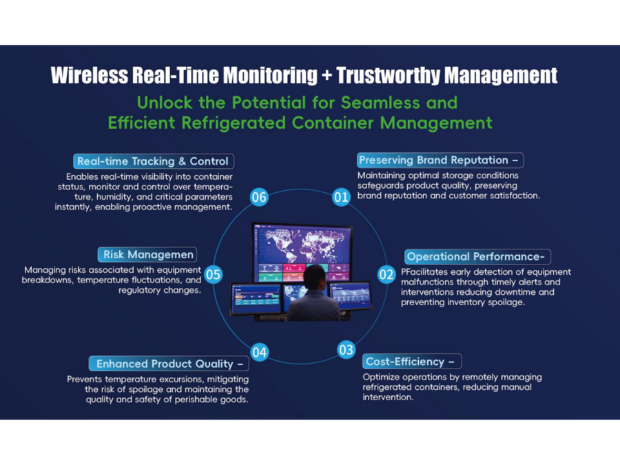
Beyond reactive repair, many operators are adopting real-time container monitoring to catch early signs of temperature drift or mechanical strain before they escalate into a full breakdown, reducing how often a full repair cycle is needed in the first place.
Knowing what to expect at each stage of a reefer container repair — and choosing a provider that stocks common parts locally rather than sourcing everything reactively — is the clearest way to minimise downtime when a container does go down.
What Slows a Repair Down Beyond Parts
Parts sourcing is the most visible bottleneck, but access delays and incomplete documentation can also add time to a repair. A container held up at a terminal, or a fault reported without a clear description of the symptoms observed, both slow the process before a technician even begins the diagnostic stage. Keeping a basic maintenance log for each container tends to shorten diagnosis times, since the technician isn’t starting from zero on every job.