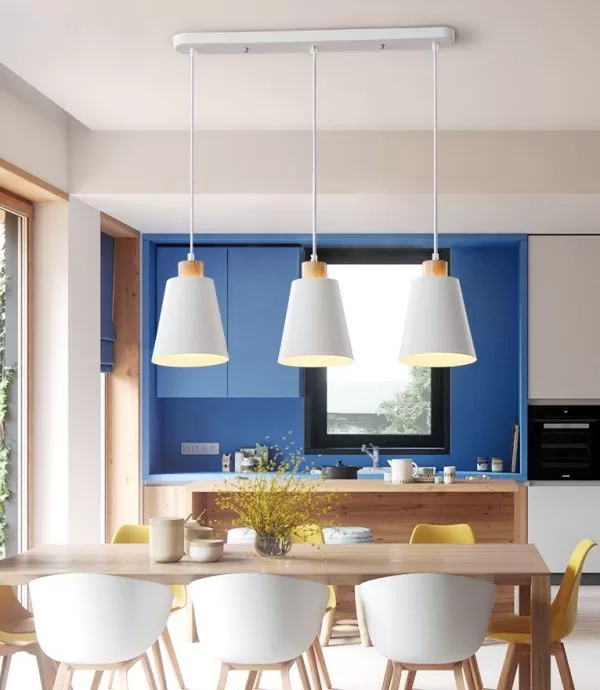
Lighting is one of the most consequential decisions in any Singapore home renovation — and one of the most frequently rushed. Most homeowners spend months selecting tiles, cabinetry, and furniture, then allocate a single afternoon to lighting choices. The result is homes that look polished in product photographs but feel flat, harsh, or poorly lit in daily life.
LED technology has transformed what is possible in residential lighting. The range of fixtures, colour temperatures, and control options available today far exceeds what fluorescent and incandescent systems could offer. But that breadth also means more decisions, and more ways to get it wrong. This guide covers what every Singapore homeowner needs to understand before making those decisions.
Why LED Lighting Matters More Than Most Homeowners Realise
Light shapes how a room feels as much as how it looks. Colour temperature — measured in Kelvin — determines whether a space feels warm and relaxed or cool and alert. Colour Rendering Index (CRI) determines whether the colours of your furniture, artwork, and finishes appear true or washed out. Lumen output determines whether a room is adequately lit or merely illuminated. Getting these three variables right, for each room, is the foundation of a well-lit home.
According to the Energy Market Authority of Singapore, lighting accounts for approximately 15% of household electricity consumption in a typical HDB flat. Switching from older fluorescent fittings to quality LED alternatives can reduce that figure by up to 60%, with no reduction in light output. Over the lifespan of a renovation, the energy saving is substantial — but only if the LEDs selected are genuinely efficient and correctly specified.
Choosing the Right LED Type for Each Room
LED downlights are the dominant choice for Singapore HDB and condo ceilings, and for good reason: they are flush-mounted, unobtrusive, and available in a wide range of colour temperatures and beam angles. Fixed downlights suit general illumination; adjustable gimbal downlights allow beam direction to be set toward artwork, shelving, or feature walls. For wet areas, a minimum IP44 rating is required.
LED strip lights have become one of the most versatile tools in residential lighting. Under-cabinet strips in the kitchen provide task lighting that overhead fixtures cannot; cove-mounted strips create ambient uplighting that makes a room feel larger; strips behind TV consoles reduce eye strain from screen glare. LED panel lights are the preferred choice for study rooms and home offices where even, shadow-free illumination reduces fatigue. For flexible living rooms and dining areas where the lighting layout may need to change over time, power track systems allow multiple spotlight heads to be repositioned along a single electrified rail without any additional wiring.
For a full range of residential and commercial LED options, explore the LED lighting Singapore collection at Regal Lighting Gallery, where every product is available to view in a working showroom environment before purchase.
Combining Fans and Lighting
One of the most practical space-saving decisions for Singapore bedrooms and living rooms is the ceiling fan with integrated LED light kit. Rather than occupying two ceiling points — one for the fan, one for the light — a combined fitting delivers both functions from a single installation. Modern ceiling fans with lights offer dimmable LED kits with colour temperature options and remote control, making them a flexible solution that adapts to different moods and times of day.
Smart Controls and Dimming
LED lighting performs best when paired with appropriate controls. Dimmable LEDs require a compatible LED dimmer — standard incandescent dimmers cause flicker and premature driver failure in LED fittings. For whole-room control, smart switches allow scheduling, scene-setting, and remote control from a smartphone or voice assistant. For homeowners in HDB flats where full rewiring is not practical, smart switches replace standard wall plates with no additional wiring, making smart lighting genuinely accessible without a major renovation.
What to Do Next
Before committing to any LED fitting, visit a working showroom where colour temperatures and fixture types can be compared side by side. Photographs and product descriptions cannot replicate the experience of standing in a room lit at 2700K versus 4000K — the difference is immediately apparent in person and almost invisible on a screen. Bring your renovation floor plan, note which rooms are north or south facing, and discuss your usage patterns for each space. A lighting specialist who understands Singapore’s renovation context — HDB ceiling heights, common false ceiling configurations, and energy label requirements — will help you avoid the most common specification mistakes.