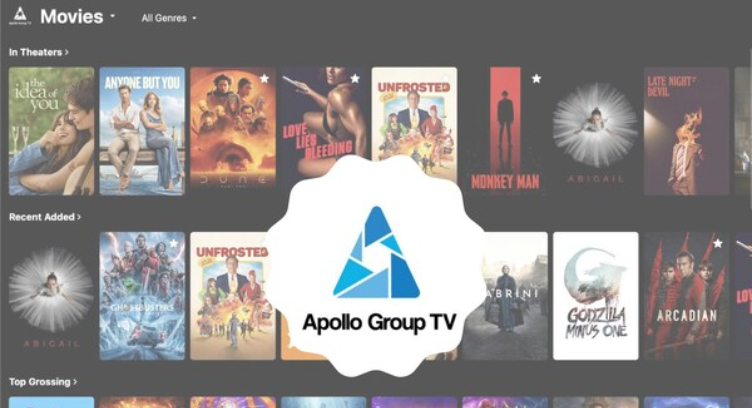
Entertainment has changed more in the last fifteen years than most people expected. Not long ago, families planned evenings around television schedules, waited for weekly episodes, and relied heavily on cable providers for access to movies, sports, and news. Today, viewers expect instant access to content from anywhere and on almost any device.
This dramatic shift is one of the biggest reasons internet-based television services have become increasingly popular across the world. Instead of depending on traditional broadcasting methods, modern streaming platforms use internet technology to deliver live channels, on-demand content, and high-definition entertainment directly to users.
Among the growing number of digital entertainment platforms, websites such as https://apollogroup-tv.com represent the wider movement toward flexible streaming solutions designed for modern viewing habits.
The End of Fixed Television Schedules
Traditional television operated on fixed schedules for decades. Missing a program often meant waiting days or even weeks for a repeat broadcast. Streaming culture changed those expectations completely.
Modern audiences now prefer:
- Watching content whenever they choose
- Accessing entertainment across multiple devices
- Larger content libraries
- Flexible viewing without geographic restrictions
- High-quality video streaming
This demand for convenience has reshaped the entertainment industry and forced broadcasters to adapt to changing consumer behavior.
Why Streaming Services Continue to Grow
The popularity of streaming platforms is not only about convenience. Several technological and social factors have contributed to their rapid growth.
Faster Internet Speeds
Broadband and fiber internet connections have improved significantly over the years. Faster speeds allow smoother playback, reduced buffering, and better support for HD and 4K streaming.
Smart Devices Everywhere
Smart TVs, streaming sticks, gaming consoles, and mobile devices have become standard in many households. These devices make internet-based entertainment easier to access than ever before.
Changing Consumer Expectations
Modern viewers expect entertainment to fit into their schedules rather than adjusting their schedules around television programming. Flexibility has become one of the most important features in digital media consumption.
The Rise of IPTV Technology
One of the most significant developments in digital entertainment is IPTV, or Internet Protocol Television. IPTV uses internet connections instead of traditional satellite or cable systems to distribute television content.
Unlike older broadcasting methods, IPTV can combine:
- Live television channels
- Video-on-demand libraries
- Interactive program guides
- Multi-device streaming
- Personalized viewing experiences
This combination has made IPTV particularly attractive to viewers looking for more control over how they consume entertainment.
Sports Streaming and Live Events
Live sports remain one of the strongest reasons people subscribe to television services. Streaming technology has significantly changed how sports fans watch events around the world.
Modern streaming platforms now provide access to:
- International sports leagues
- Pay-per-view events
- Real-time broadcasts
- Multi-screen viewing experiences
The ability to stream live events from phones, tablets, and smart TVs has expanded how audiences engage with sports content.
The Importance of User Experience
Today’s entertainment platforms compete heavily on user experience. Viewers are no longer satisfied with slow interfaces, limited search functions, or unreliable playback.
Several features now play a major role in viewer satisfaction:
Adaptive Streaming
This technology adjusts video quality automatically based on internet speed, helping reduce interruptions during playback.
Electronic Program Guides
Interactive guides make it easier for users to browse live channels and discover upcoming content.
Cloud-Based Infrastructure
Cloud systems help streaming platforms support larger content libraries and global audiences more efficiently.
Cross-Platform Compatibility
Users increasingly expect seamless access across different devices without losing viewing progress.
Challenges Facing Streaming Platforms
Although streaming services continue growing rapidly, the industry still faces important challenges.
Internet Dependence
Streaming quality depends heavily on reliable internet connections. Users with slower networks may still experience buffering or reduced video quality.
Content Licensing
Broadcast rights differ across countries and regions, making content distribution more complex for global streaming platforms.
Increased Competition
The entertainment market has become highly competitive, with numerous platforms competing for audience attention and subscription loyalty.
As a result, providers are placing greater emphasis on content variety, technical performance, and customer experience.
The Future of Digital Entertainment
The future of streaming will likely involve even greater personalization and technological integration. Artificial intelligence, 5G connectivity, and improved cloud infrastructure are expected to continue transforming how content is delivered.
Viewers increasingly want entertainment that is:
- Instant
- Personalized
- Portable
- High quality
- Accessible across devices
Internet-based television reflects this broader cultural shift toward convenience and flexibility.
Rather than simply replacing traditional cable systems, streaming technologies are redefining how audiences interact with media entirely. As viewing habits continue evolving, digital entertainment platforms will remain central to the future of television worldwide.